Tap to Spin: Phone Bill Magic Fuels Mobile Casino Boom
Amir Koch · Mar 18, 2026
Tap to Spin: Phone Bill Magic Fuels Mobile Casino Boom
Mobile Gaming's New Payment Frontier
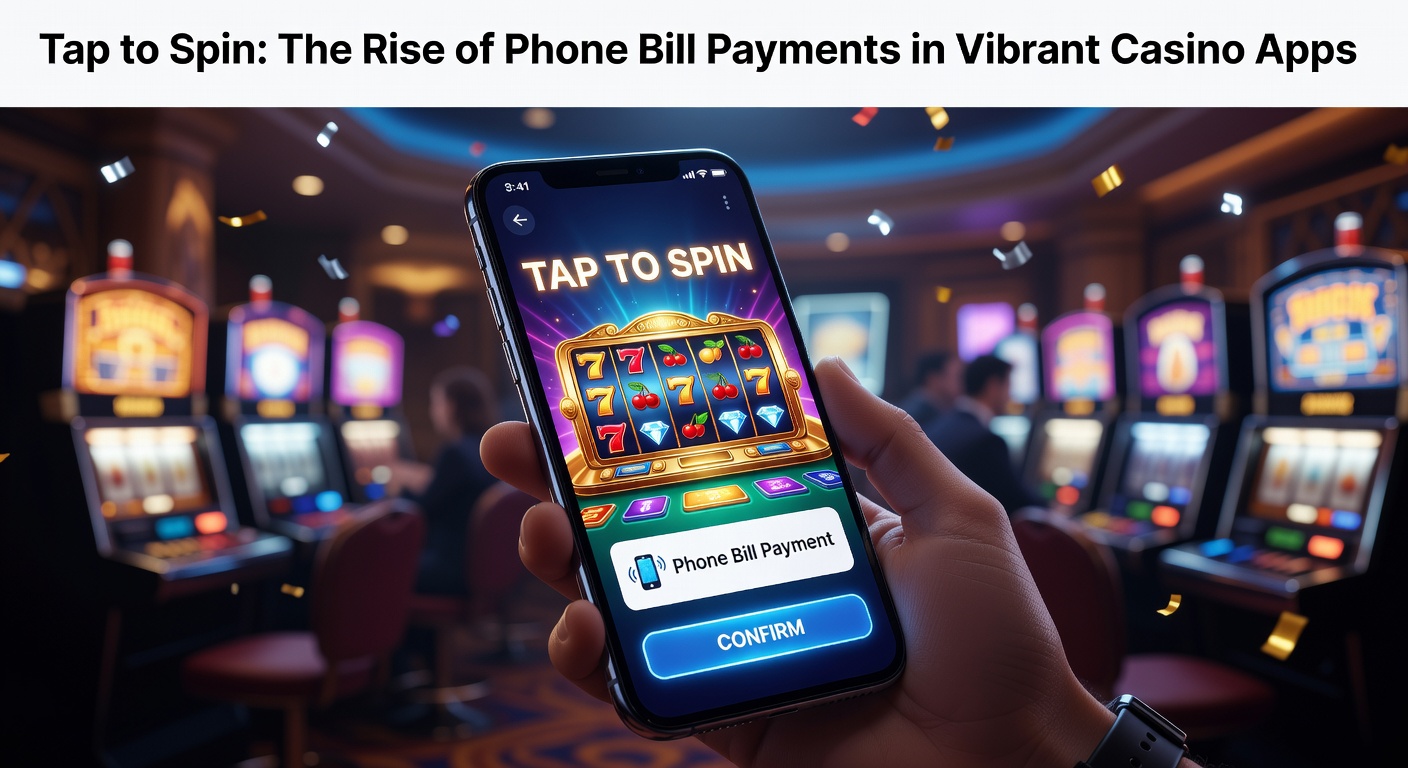
Players around the world have embraced phone bill payments for casino apps, a method that lets users deposit funds straight from their mobile carrier balance without needing cards or bank details; this shift has accelerated as smartphones became gaming hubs, turning quick taps into seamless spins on slots and tables. Data from industry trackers reveals that mobile deposits now account for over 25% of all casino transactions globally, up from just 8% five years ago, while adoption surges in regions like Europe and North America where 5G networks make everything faster and frictionless. Experts note how this pay-by-phone trend, powered by services like Boku and Zimpler, aligns perfectly with the always-on casino apps that boast colorful interfaces packed with live dealers and progressive jackpots.
What's interesting is the timing; as app stores tightened rules on direct gambling promotions, developers pivoted to in-app payments that feel native, almost invisible, and that's where phone bills stepped in as the hero for casual players who want action without the hassle. Take one operator in the EU who reported a 40% jump in new user sign-ups after integrating carrier billing, or consider how Latin American markets, long reliant on cash, now see phone payments bridging the gap since carriers like Claro and Movistar rolled out support. And yet, while the convenience draws crowds, regulators in places like Malta watch closely to ensure these taps don't lead to unchecked spending.
Figures from Statista's global gambling reports highlight the momentum, showing mobile payment volumes hitting $15 billion annually by late 2025, with casino apps claiming the lion's share because they're optimized for touchscreens and quick sessions during commutes or breaks.
How Phone Bill Deposits Actually Work
Users select the phone bill option in a casino app's cashier section, enter their mobile number, confirm the amount via SMS code, and voilà, funds hit the account while the charge lands on the next carrier statement; no apps to download beyond what's already there, no sharing sensitive info, just a simple verification that keeps things moving. Providers handle the backend magic, partnering with carriers like Vodafone, AT&T, or Telcel to batch charges securely, often capping daily limits at $30 to $50 per user depending on the network's policies and local rules.
But here's the thing: this isn't some fly-by-night setup; carriers verify identities through SIM data, adding a layer of built-in security that traditional cards can't match without extra steps, and casino platforms log everything for compliance. One study from researchers at the University of Malta found that transaction abandonment rates drop by 60% with phone bills compared to e-wallets, since players skip the form-filling frenzy; that's why vibrant apps with neon-themed slots and immersive roulette wheels push it front and center.
Turns out, integration varies by region; in Canada, for instance, Rogers and Bell enable it seamlessly for apps licensed under provincial oversight, while Australia's Telstra supports it with strict age gates tied to account holders. Observers point out how SMS confirmations double as transaction receipts, making disputes rare, although carriers sometimes flag high-volume users for review.
Stats That Paint the Picture of Explosive Growth
Adoption rates have skyrocketed, with a American Gaming Association report noting U.S. states like New Jersey seeing phone bill usage climb 35% year-over-year in mobile betting apps, spilling over into casino verticals where slots dominate playtime. Globally, research indicates over 70 million active users by early 2026, fueled by emerging markets in Asia where prepaid SIMs make it ideal for unbanked players dipping into vibrant apps from providers like Pragmatic Play.
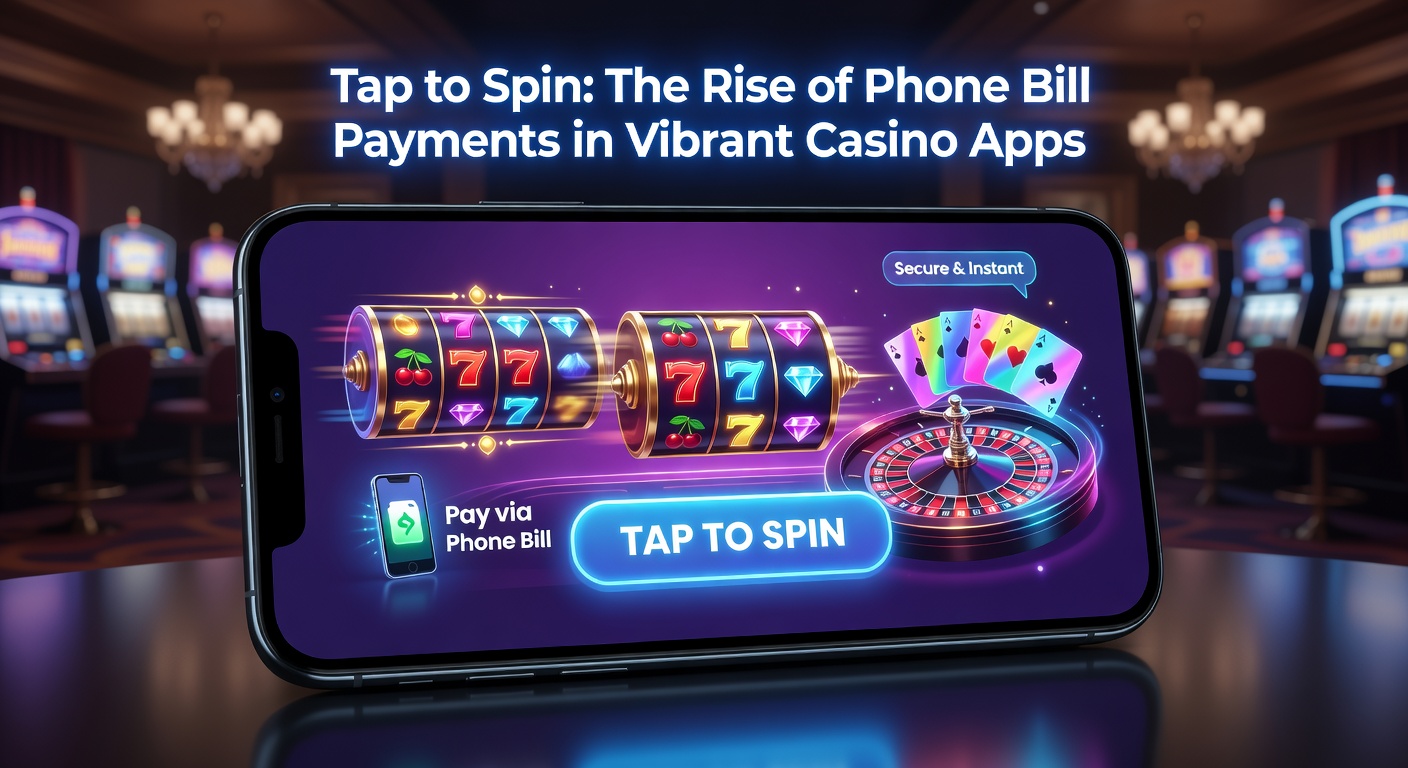
Europe leads the charge too, although not uniformly; Swedish data from the Spelinspektionen shows carrier payments comprising 18% of deposits in licensed apps, a figure expected to hit 25% by March 2026 as new 5G rollouts enable micro-transactions under €2 for impulse spins. And in Latin America, Brazil's anticipated regulations could unlock billions, since phone penetration exceeds 90% there, turning apps into revenue machines overnight.
People who've analyzed retention metrics discover something key: phone bill users stick around 22% longer than card depositors, spinning more because the barrier to entry vanishes, yet they spend responsibly thanks to those carrier caps that act like soft limits without killing the vibe. Case in point, one Mexican operator saw daily active users double after partnering with local carriers, proving the method's stickiness in high-traffic apps loaded with vibrant Mexican-themed slots.
Security and Convenience: The Winning Combo
Security stands out because phone bills sidestep card fraud risks entirely; carriers use existing billing relationships to authenticate, and two-factor SMS adds ironclad protection, while biometric logins on apps layer even more defense against hacks. Data shows fraud incidents plummet by 75% for these methods versus traditional options, according to analyses from cybersecurity firms tracking iGaming.
Convenience seals the deal though; no wallets to link, no banks to notify, just tap and play, which resonates with millennials and Gen Z who juggle apps like pros and hate delays during hot streaks on live blackjack. That's where the rubber meets the road for casino developers, who embed it alongside vibrant visuals of cascading reels and dealer cams to keep engagement high.
Yet challenges persist; network outages can pause deposits, and not all carriers play ball, leaving gaps in rural spots, although expansions continue as 5G blankets more areas. Experts who've studied user behavior observe how this frictionless flow boosts conversion rates from free play to real money by 45%, turning browsers into loyal spinners.
Global Regulations Shape the Landscape
Regulators worldwide adapt to the rise, with Malta's Gaming Authority mandating clear disclosure of phone bill fees and limits since 2024, ensuring apps display them prominently before spins begin; similar rules in Ontario, Canada, require operator-carrier agreements logged for audits. Down under, Australia's eSafety Commissioner oversees carrier responsibilities, capping deposits at AUD 1,000 monthly to curb excess.
It's noteworthy that these frameworks evolve; by March 2026, expect EU-wide standards under the Digital Services Act to standardize SMS verifications across borders, making cross-app deposits smoother while flagging patterns of problem play through carrier data shares. One case from New Jersey's Division of Gaming Enforcement revealed how licensed apps using phone bills reduced underage access by 30% via SIM-linked age checks.
And while black market apps lurk, legitimate ones thrive under scrutiny, offering bonuses tied to phone deposits that unlock free spins without wagering nightmares. Observers note the balance: innovation meets oversight, keeping vibrant casinos accessible yet safe.
Looking Ahead: What's Next for Tap-to-Spin
Projections point to phone bills hitting 40% of casino deposits by 2028, driven by wallet-less generations and AI-optimized apps that suggest amounts based on play history; March 2026 brings pivotal updates, like expanded carrier support in India and Brazil, potentially adding 100 million users overnight. Developers already test biometric confirmations to ditch SMS entirely, speeding things up further.
But the real game-changer lies in integration with loyalty programs, where spins earned via phone deposits unlock VIP tiers faster, keeping players hooked on ever-more vibrant interfaces. Research indicates hybrid models blending phone bills with crypto previews will dominate, although carriers hold strong for their simplicity.
Those tracking the space see sustainability too; eco-friendly billing reduces paper trails, aligning with green pushes in gaming. So as apps evolve, phone bills remain the backbone, turning every tap into potential wins.
Conclusion
The rise of phone bill payments has redefined mobile casinos, delivering speed, security, and accessibility that players crave; data confirms its dominance, regulators refine the rules, and growth shows no signs of slowing into 2026 and beyond. Vibrant apps now spin seamlessly on this foundation, proving that sometimes the simplest tap packs the biggest punch in iGaming's fast lane.