Regulatory Evolutions Shaping Alternative Payments in Virtual Table Game Ecosystems
Wendy Neumann · Aug 26, 2026
Regulatory Evolutions Shaping Alternative Payments in Virtual Table Game Ecosystems
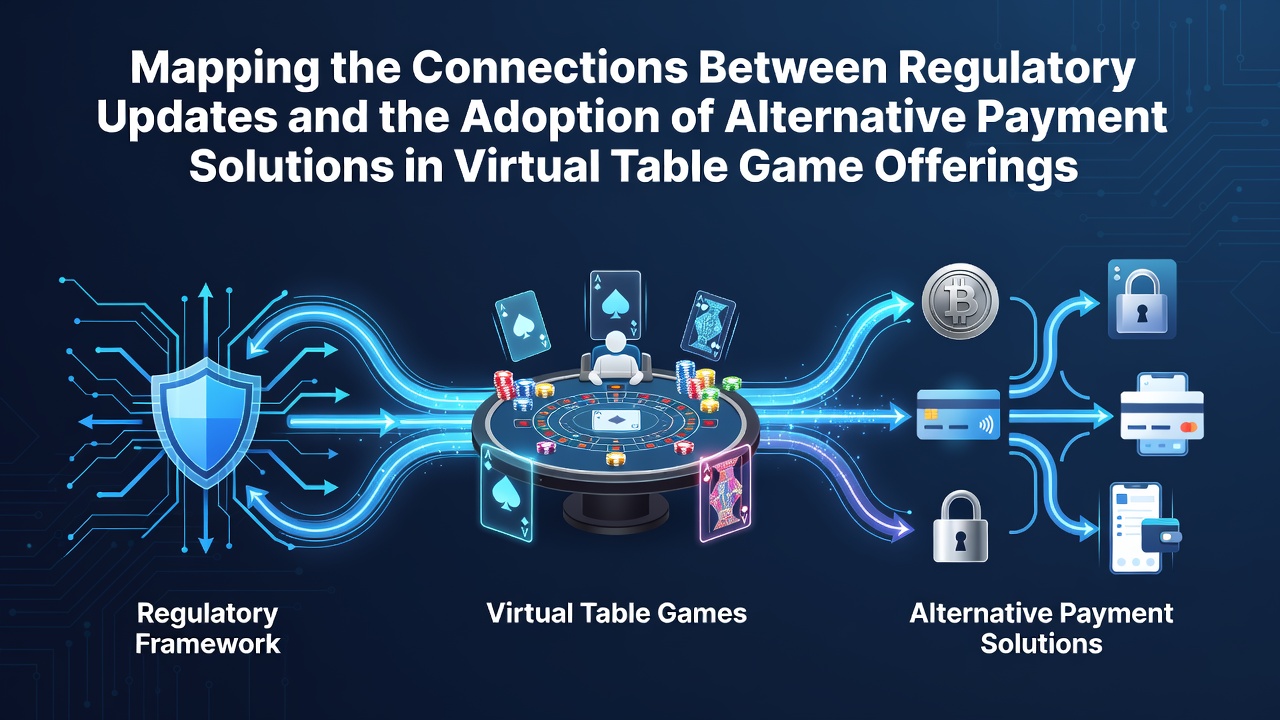
Regulatory frameworks across multiple jurisdictions continue to influence how operators integrate alternative payment solutions into virtual table game offerings, and data from industry reports shows measurable shifts in adoption patterns throughout 2025 and into August 2026. Government agencies in regions such as North America and the European Union track these developments through licensing requirements that emphasize transaction transparency, consumer protection standards, and anti-money laundering protocols, which in turn affect the rollout of e-wallets, cryptocurrency options, and instant bank transfer systems.
Virtual table games including blackjack, roulette, and poker variants operate under rules that often tie payment method approvals directly to compliance verification processes, and researchers at institutions like the University of Nevada's gaming studies program have documented how updated statutes accelerate or delay the introduction of non-traditional funding mechanisms. When regulators revise guidelines on player verification or cross-border transactions, operators respond by expanding partnerships with fintech providers that meet the new criteria, creating a direct link between policy adjustments and available deposit or withdrawal options.
Key Regulatory Developments and Their Timeline
Policy changes in Canada during late 2025 introduced stricter oversight on digital asset usage within licensed platforms, prompting several provinces to require additional security layers for crypto-based table game transactions, while similar measures in Australian states focused on speed and traceability of alternative transfers. These updates build upon earlier directives from bodies like the Nevada Gaming Control Board, where amendments effective in early 2026 emphasized real-time monitoring capabilities that favor payment processors equipped with advanced reporting tools.
Operators note that jurisdictions with phased implementation schedules allow gradual integration of solutions such as mobile wallets and prepaid cards, and figures from the European Gaming and Betting Association indicate that compliance-driven upgrades accounted for over 40 percent of new payment feature launches in table game segments during the first half of 2026. The connections become evident when comparing regions with stable versus evolving rules, as markets experiencing frequent revisions tend to see quicker uptake of diversified funding methods to maintain operational continuity.
Payment Solution Adoption Patterns in Table Games
Alternative payment solutions have gained traction in virtual table environments because they align with regulatory demands for faster settlement times and enhanced audit trails, and studies from academic sources reveal that e-wallet usage in online poker and roulette rooms increased by 28 percent year-over-year in jurisdictions with updated licensing conditions. Cryptocurrency options, once limited by uncertainty, now appear more frequently where regulators have established clear frameworks for digital currency handling, particularly in areas that prioritize player fund segregation and transaction logging.
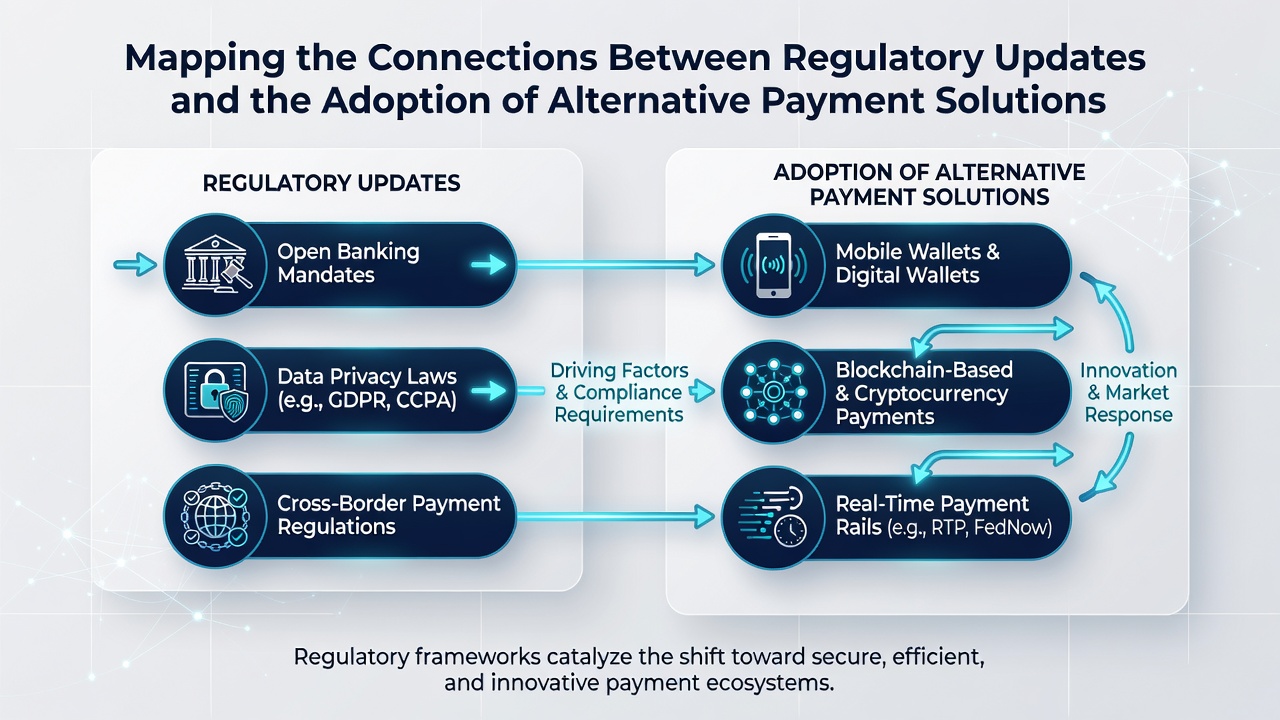
Instant bank transfers and prepaid voucher systems also feature prominently in recent rollouts, as they satisfy requirements for reduced chargeback risks while supporting the seamless flow of play in live dealer formats. Data indicates that platforms incorporating these methods report higher retention metrics in table game categories when compared to those relying solely on traditional card processing, especially in environments where regulators mandate periodic system audits.
Interconnections and Market Responses
The interplay between regulatory updates and payment adoption manifests through licensing renewals that explicitly reference approved transaction channels, and industry observers track how operators adjust their virtual table offerings accordingly. In one documented case from a North American market, a major platform expanded its cryptocurrency support for blackjack tables following the clarification of digital asset rules in mid-2026, resulting in a documented rise in active player sessions within those game types.
Similar patterns emerge in European contexts where harmonized directives encourage cross-border compatibility for alternative payments, allowing providers to deploy unified solutions across multiple regulated territories. What's significant is the way these changes create feedback loops: successful implementations of compliant payment tools often inform subsequent policy refinements, as regulators review performance data from licensed operations to shape future guidelines.
Looking Ahead to August 2026 and Beyond
By August 2026, several anticipated regulatory refinements are expected to further refine the landscape for alternative payments in virtual table games, with emphasis on integration standards for emerging technologies like blockchain verification. Those monitoring the sector point to ongoing consultations in various regions that could standardize reporting formats, thereby streamlining adoption for operators already investing in compatible infrastructure.
Market participants continue to align their strategies with these evolving requirements, ensuring that payment options remain both accessible to players and fully aligned with oversight expectations. Evidence from recent industry analyses suggests sustained momentum in this area as regulatory bodies and technology providers refine their collaborative approaches.
Conclusion
Regulatory updates serve as primary drivers behind the integration of alternative payment solutions within virtual table game offerings, and the documented connections highlight how compliance frameworks shape operational decisions across global markets. Continued observation of these dynamics reveals consistent patterns of adaptation that support both regulatory objectives and platform functionality without introducing unnecessary friction for end users.