Merkur Slots' 24/7 Expansion Bid Fails in Spalding as Noise Concerns Prevail
Amir Koch · Apr 18, 2026

Merkur Slots' 24/7 Expansion Bid Fails in Spalding as Noise Concerns Prevail
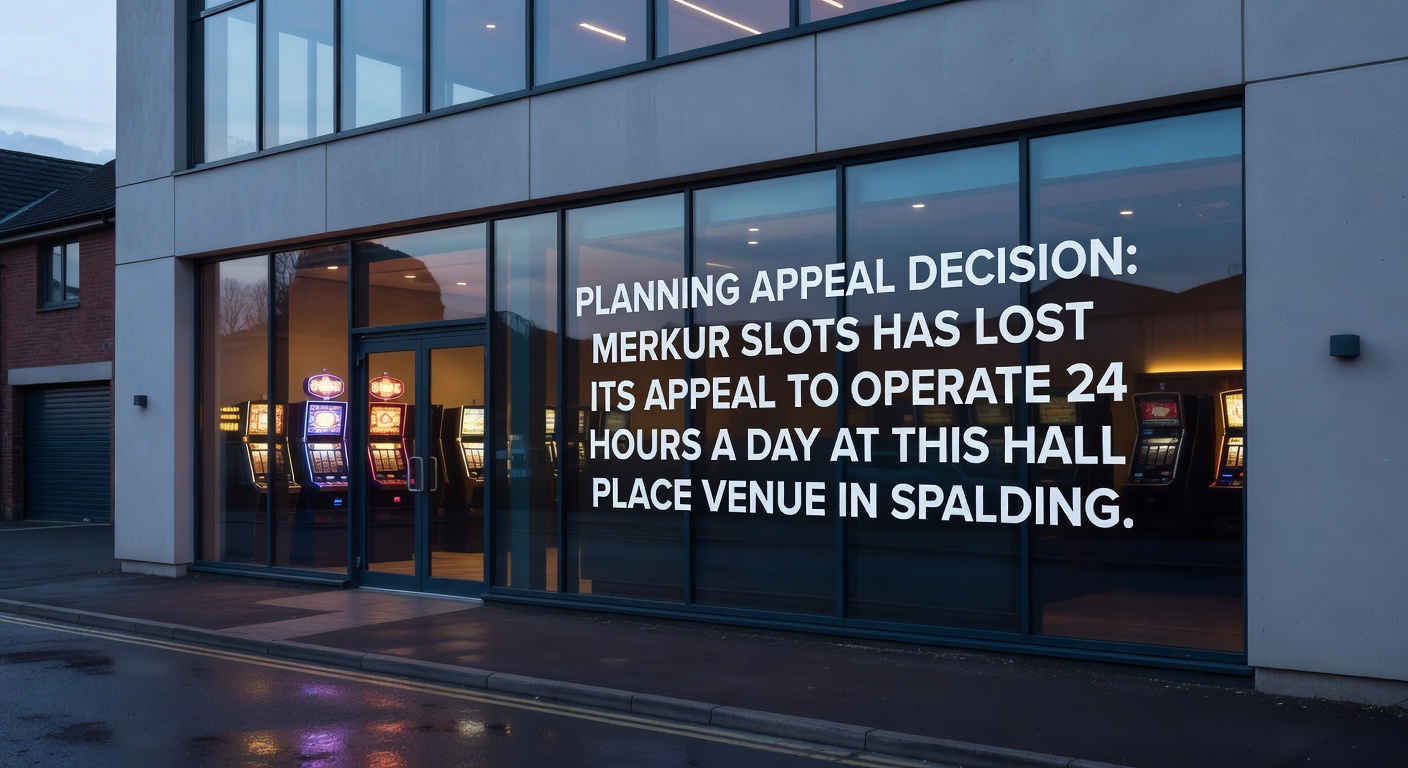
In a decision handed down on 12 March 2026, the Planning Inspectorate dismissed Merkur Slots' appeal to extend operations at its Hall Place venue in Spalding, Lincolnshire, to 24 hours a day; this ruling, which upholds existing restrictions limiting play until midnight, centers on anticipated noise and disturbance that could harm residents' living conditions. Local communities, long wary of such expansions, see the outcome as a win against unchecked growth in gambling access, while the venue sticks to its curfew amid ongoing debates over balancing business needs with neighborhood peace.
Spalding, a market town nestled in Lincolnshire's fenlands, hosts the Merkur Slots outlet at Hall Place—a spot that's become familiar to locals since the venue opened years back, drawing in slot enthusiasts with its array of machines but always bound by those midnight hours set by South Holland District Council planners. Merkur Slots, known across the UK for its adult gaming centers packed with electronic gaming machines, pushed hard for round-the-clock service, arguing in its appeal that modern demand and security tech could make it work without fuss; yet the inspectorate saw things differently, prioritizing quiet nights for those living nearby.
The Venue's History and the Push for Extended Hours
Hall Place stands as a key fixture in Spalding's retail landscape, operating under Merkur Slots' branding with dozens of slots catering to players seeking quick thrills; previous council decisions capped hours at 10am to midnight daily, a limit rooted in concerns over late-night footfall and sounds spilling into residential streets. Merkur lodged its appeal after South Holland District Council rejected the initial 24/7 application, citing risks to amenity; the company countered with promises of soundproofing upgrades, staff training on quiet dispersal, and data showing low disruption at other all-hours sites, but here's the thing—inspectors dug into specifics for this location.
Those who've followed similar bids note how venues like this one often highlight economic boosts—jobs for locals, foot traffic for nearby shops—but councils push back when homes sit close, as they do around Hall Place with its mix of flats and family houses just steps away. Merkur's case included noise modeling and patron surveys, yet the inspectorate weighed evidence from residents who described existing evenings as tolerable only because play winds down by midnight; extending that buzz till dawn, they argued, crosses a line.
Unpacking the Planning Inspectorate's Ruling
The inspectorate's 12 March 2026 dismissal runs through a detailed report, pinpointing noise from comings and goings—doors slamming, voices carrying, engines revving—as the main culprit likely to "harm the living conditions of nearby occupiers," a phrase straight from national planning policy that inspectors apply rigorously. Footsteps on pavements, muffled machine chimes leaking out, even idling cars waiting for players; these elements, while subtle singly, stack up after dark in a quiet town like Spalding, where fenland stillness amplifies every sound.
Inspectors referenced acoustic assessments submitted by Merkur, which projected minimal decibel spikes, but countered with resident testimonies and council logs of past complaints from busier nights; the reality is, policy demands "no unacceptable harm," and this bid tipped over that edge. Semicolons separate clauses here because the decision hinges on both projected impacts and real-world precedents—other Lincolnshire venues have faced similar scrutiny, with midnight often emerging as the compromise sweet spot. And while Merkur proposed mitigation like acoustic glazing and a strict no-loitering policy, the inspectorate found them insufficient against baseline quiet expectations in a residential zone.
Stakeholder Reactions and Community Voice
Charles Ritchie, chief executive of the Gambling with Lives charity, labeled the outcome a "small victory" for communities resisting gambling venue expansions, pointing out how such fights spotlight the hidden costs of easy access—like noise rippling into homes where families try to rest. The charity, which supports those affected by gambling harm, has tracked similar appeals nationwide; Ritchie's comment, shared via BBC News, underscores a pattern where locals rally against 24/7 pushes, often citing not just sound but broader worries over vulnerability late at night.
Residents near Hall Place, through council submissions, echoed these points; one submission detailed sleep disruptions from current operations, warning that all-hours would turn tolerable evenings into relentless ones, while Merkur representatives expressed disappointment yet respect for the process, hinting at possible future tweaks. Experts who've studied urban gaming venues observe that these appeals often boil down to proximity—Hall Place's spot, hemmed in by homes, makes it tougher than out-of-town sites where noise dissipates harmlessly.
Broader Context on Noise Regulations and Venue Hours
Planning rules in the UK, shaped by national guidance, stress protecting residential amenity from entertainment noise; the inspectorate's call aligns with this, drawing on evidence like WHO community noise guidelines that recommend nighttime levels below 30 decibels outdoors to safeguard health—limits easily breached by venue activity, as WHO fact sheets detail for Europe-wide standards. In Lincolnshire, councils enforce similar via licensing, with Spalding's venue already navigating alcohol-free ops to keep things calmer.
Turns out, 24/7 gaming centers remain rare; most cluster in city cores like London or Manchester, where high-rises buffer sound, whereas rural-market towns like Spalding lean conservative—midnight closes prevail because data from environmental health teams shows complaints spike post-that hour. One case from nearby areas saw a bingo hall's extension nixed for identical reasons, reinforcing the inspectorate's stance; Merkur operates over 200 UK sites, many thriving under curfews, so this loss pinches but doesn't paralyze.
Now, as April 2026 unfolds, the venue hums on till midnight, patrons filtering out under streetlights while residents reclaim their nights; observers note how such rulings ripple, emboldening opposition elsewhere and prompting operators to scout less sensitive spots. South Holland District Council, vindicated, maintains its policy equitably across amusements, from arcades to pubs, ensuring no one venue disrupts the town's rhythm disproportionately.
Implications for Merkur Slots and Local Gaming Landscape
For Merkur Slots, the appeal's end closes a chapter but opens questions on adaptation—perhaps tech like app-based play or daytime promos to offset lost late revenue, since figures from industry trackers show peak slots action clustering evenings anyway. Local jobs stay secure, with staff shifts unchanged; yet the company must now pivot, maybe lobbying for minor extensions like weekends-only past midnight, though precedents suggest uphill battles.
Communities gain breathing room, their input validated through the appeals system; Gambling with Lives highlights this as momentum against normalization of constant access, especially where harms cluster—data indicates problem gambling rates edge higher near 24/7 spots, though inspectors focused strictly on noise. And while Spalding's scene stays steady, nearby towns watch closely; one venue manager there quipped it's not rocket science—respect the neighbors, or the planning hammer falls.
What's interesting is the timing—March 2026's chill lingers into April, mirroring the cool reception for endless operations; residents who've campaigned report better sleep already, attributing it to certainty over the venue's bounds. Planners, meanwhile, field fewer queries, their stance clear: living conditions trump expansion bids when evidence mounts against them.
Conclusion
teh Planning Inspectorate's dismissal of Merkur Slots' 24/7 appeal at Hall Place solidifies midnight as the line in Spalding, driven by solid evidence of noise harms to residents; this outcome, fresh into April 2026, reinforces community leverage in planning battles and reminds operators that local peace often outweighs round-the-clock ambitions. Stakeholders from charities to councils alike see patterns solidifying—balance business with amenity, or appeals falter; for now, Hall Place slots spin on schedule, nights quiet as ever in Lincolnshire's fens.
Those tracking these developments know the ball's in Merkur's court for next moves, yet the writing's on the wall: noise doesn't negotiate, and neither do inspectors when living conditions hang in the balance.