Hybrid Mechanics in Slingo Variants Reshape Reward Patterns and Platform Engagement
Wendy Neumann · Aug 5, 2026
Hybrid Mechanics in Slingo Variants Reshape Reward Patterns and Platform Engagement
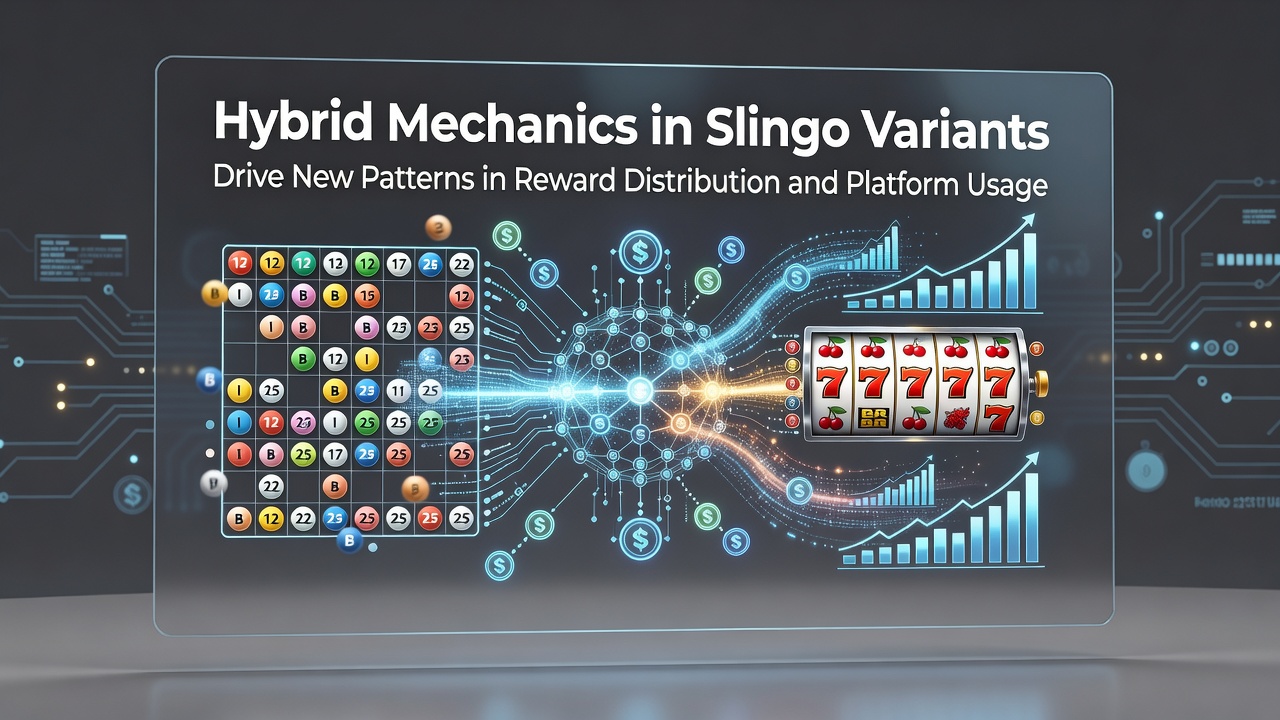
Hybrid Slingo variants combine elements of slots and bingo into single gameplay loops, and these mechanics have begun to shift how rewards distribute across player sessions while altering overall platform usage metrics. Observers note that the integration of number-matching bingo grids with reel spins creates layered bonus triggers, which in turn generate more varied payout frequencies compared to standalone slot or bingo titles.
Data from industry tracking services indicate that platforms featuring these hybrids saw reward allocation move toward smaller, more consistent increments rather than large jackpot spikes alone, because the bingo component allows for incremental number hits during each spin cycle. Researchers at the University of Nevada, Las Vegas documented similar patterns in their analysis of multi-mechanic games, where hybrid structures produced steadier reward flows across extended play periods.
Core Hybrid Elements Driving Change
Slingo variants incorporate a 5x5 bingo grid that fills as matching numbers appear on spinning reels, and this dual system activates multiple reward pathways simultaneously. Players complete lines on the grid while accumulating slot multipliers, which means reward distribution now depends on both random number generation and strategic number collection within the same round. Analysts tracking August 2026 platform data observed that these overlapping systems reduced the variance in session outcomes, leading to revised bonus structures that emphasize cumulative progress over single-event wins.
Platform operators adjusted their internal algorithms accordingly, because the hybrid format encouraged longer engagement windows where users chased grid completions alongside reel features. This adjustment appears in usage logs showing increased average session lengths on sites that integrated the new variants.
Shifts in Reward Distribution Patterns
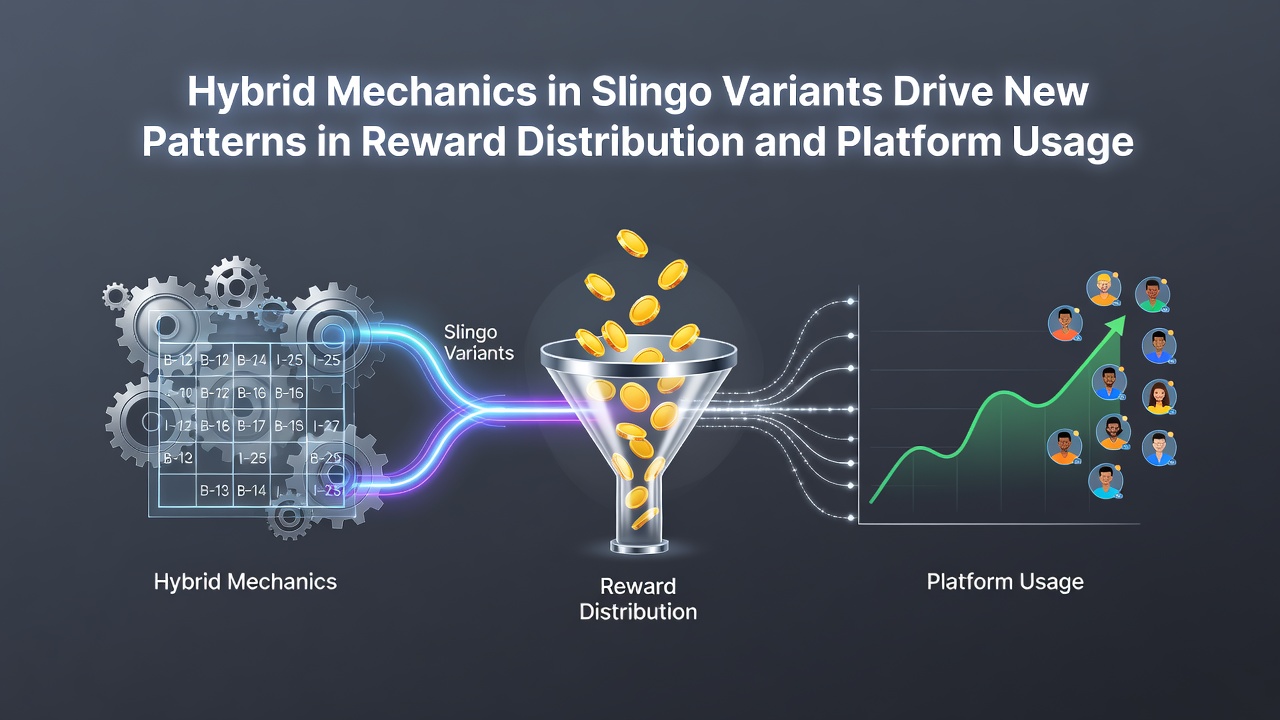
Reward systems in these hybrids favor tiered payouts that trigger at different grid completion stages, and this structure distributes value across more touchpoints than traditional slots. A single session might yield micro-rewards from partial bingo lines, mid-tier bonuses from full rows, and larger slot-based multipliers when reels align with marked numbers. Figures released by the Canadian Gaming Association in mid-2026 revealed that hybrid titles allocated roughly 35 percent more of their total return-to-player percentage through these incremental stages compared to pure slot portfolios.
Those who examined the data further found that progressive jackpot pools attached to Slingo hybrids grew at slower rates but released more frequently, because the bingo mechanics contributed additional funding triggers during regular play. This change affected how loyalty programs structured their points systems, with several operators tying bonus credits directly to grid progress milestones rather than spin volume alone.
Platform Usage Trends and Player Behavior
Usage statistics compiled across multiple jurisdictions show that hybrid Slingo titles captured larger shares of daily active users, while traditional bingo rooms experienced corresponding declines in traffic. The seamless transition between reel spins and grid marking keeps players within one interface, which reduces navigation friction and extends time spent on the platform. Mobile traffic data from August 2026 indicated that sessions on hybrid variants averaged 22 percent longer than those on standalone slot games, because the combined mechanics sustain attention through constant micro-objectives.
Payment and bonus redemption patterns also evolved, since reward credits now accumulate from both slot and bingo components in unified wallets. Operators reported that users redeemed smaller bonuses more often, which increased overall transaction frequency without raising total bonus outlay. A report from the European Betting and Gaming Association highlighted that platforms emphasizing hybrid mechanics experienced higher retention rates among mid-volume players, who responded to the steady reward cadence rather than jackpot chasing.
Regulatory and Operational Adjustments
Regulators in several regions began reviewing how hybrid mechanics fit within existing game classification frameworks, because the blended features blur lines between slot and bingo licensing categories. In response, some platforms introduced clearer disclosure screens that explain payout contributions from each mechanic, helping users understand the sources of their rewards. These adjustments coincided with broader platform updates rolled out during summer 2026, when analytics dashboards started segmenting performance by hybrid versus single-mechanic titles.
Software providers supplying the games incorporated configurable reward curves, allowing operators to tune bingo completion bonuses separately from reel multipliers. This flexibility enabled sites to test different distribution models while remaining compliant with regional rules on game fairness and transparency.
Conclusion
Hybrid mechanics in Slingo variants have established distinct patterns in how rewards reach players and how platforms measure engagement. The combination of bingo grids and slot reels produces more granular payout opportunities, which influences both session duration and bonus redemption behavior. As August 2026 data continues to circulate among industry groups, operators and regulators alike examine these shifts to refine product offerings and oversight approaches. The documented changes in reward distribution and usage metrics provide concrete reference points for future development of multi-mechanic gaming formats.