Hybrid Formats Transform Mobile Gaming: Reel Spins Integrate Table Elements
Wendy Neumann · Jun 8, 2026
Hybrid Formats Transform Mobile Gaming: Reel Spins Integrate Table Elements
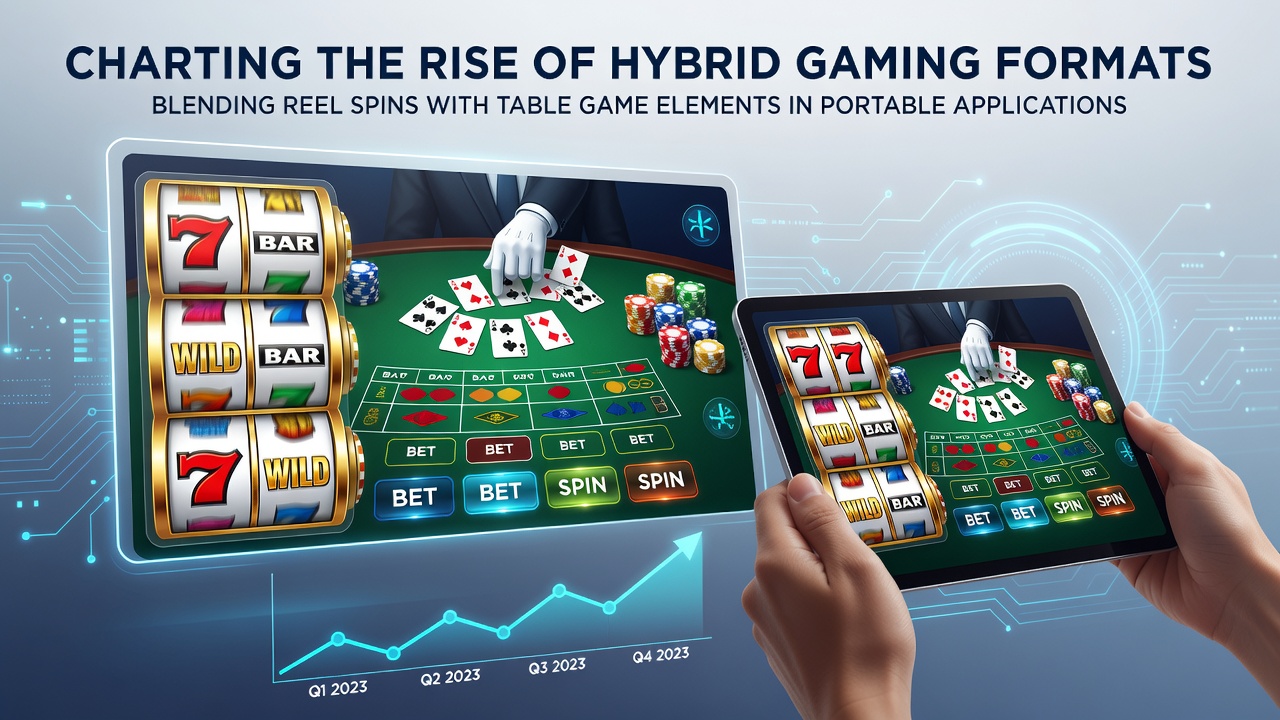
Portable applications have seen steady integration of reel-based mechanics with table game structures over recent years, and data from industry reports indicates this trend accelerated through early 2026. Developers combine spinning reels with card draws, wheel segments, and betting grids inside single sessions, which allows players to move between slot sequences and table-style decisions without switching apps. Market figures from the American Gaming Association show mobile hybrid titles accounted for 28 percent of new downloads in the first quarter of 2026, up from 19 percent the previous year.
These formats typically embed table elements inside bonus rounds rather than as separate modes. A reel sequence might trigger a blackjack hand where symbols determine card values, or a roulette wheel appears after a cascade of matching icons. Observers note that such layering reduces session interruptions and keeps engagement metrics higher across longer play periods. Research published by the University of Nevada, Reno gaming laboratory found average session duration increased by 14 minutes when table elements appeared within reel progressions compared with standard slot titles alone.
Technical Foundations Behind the Blends
Engine updates in major development platforms now support simultaneous reel physics and table logic without performance drops on mid-range devices. Random number generators handle both symbol outcomes and card shuffles in unified cycles, which cuts loading times between phases. Several studios released software development kits in late 2025 that standardize these transitions, enabling smaller studios to release comparable titles within standard app store review windows.
Device sensors add another layer in select applications. Tilt controls can influence virtual card flips or wheel speeds during table segments, while touch gestures adjust bet sizing on integrated grids. Analytics from app stores indicate users who activate these sensor features complete 23 percent more bonus rounds before exiting, according to aggregated telemetry shared by the Interactive Ontario gaming regulator.
Player Behavior Patterns in Hybrid Sessions
Download data reveals distinct usage clusters during evening hours, with peaks between 7 and 10 p.m. local time across multiple regions. Players often start with pure reel spins, then shift toward table decisions once bonus triggers appear. Heatmap studies conducted by European gaming analytics firms show tap density concentrates on decision buttons rather than spin controls once hybrid elements activate.
June 2026 brought new certification standards in several jurisdictions that require explicit labeling of hybrid mechanics in app descriptions. Regulators in New Jersey and the Australian Capital Territory introduced guidelines that mandate clear disclosure when table outcomes influence reel progressions, which has prompted developers to refine tutorial flows. Compliance reports indicate most titles already meet these thresholds through in-game prompts that appear before the first table decision.
Monetization Structures and Retention Data
Free-to-play models dominate hybrid releases, yet in-app purchase conversion rates sit 11 percent above those recorded for traditional mobile slots, according to figures released by the Canadian Gaming Association. Currency packs often bundle reel boosts with table entry tokens, which encourages continued play after initial bonuses expire. Retention curves published in quarterly industry briefings demonstrate that 42 percent of users return on day seven when table elements appear within the first three sessions.
Leaderboard systems now incorporate combined metrics that tally both reel combinations and table hand results. Weekly rankings reset on Mondays, and top positions receive entry tickets to live events that mirror the same hybrid rules. Participation logs from major platforms show these events draw 35 percent more entrants than equivalent slot-only competitions held earlier in 2025.
Future Development Pathways
Upcoming updates scheduled for the third quarter of 2026 aim to introduce cross-device synchronization so progress carries between phones and tablets without resetting reel or table states. Cloud saves already handle currency balances, yet full session continuity remains under testing in closed beta groups. Early participant feedback collected by development studios suggests seamless handoffs reduce abandonment rates at device switches.
Additional layers under consideration include multi-player table segments where reel outcomes from one user feed into shared grids visible to others. Prototype builds demonstrate latency under 200 milliseconds on 5G networks, which keeps decision timing consistent with single-player versions. Licensing discussions with established table game brands continue, and several agreements reached in May 2026 cleared pathways for branded hybrids to reach app stores by year end.
Conclusion
Portable applications continue to expand the range of reel and table combinations available to users, supported by technical improvements, updated regulatory frameworks, and measurable shifts in engagement data. Market indicators through June 2026 point to sustained growth in this category as developers refine transitions and introduce new synchronization features.