Charting Carrier-Driven Incentives Across Mobile Gaming Platforms
Klara Simmons · Jun 24, 2026
Charting Carrier-Driven Incentives Across Mobile Gaming Platforms
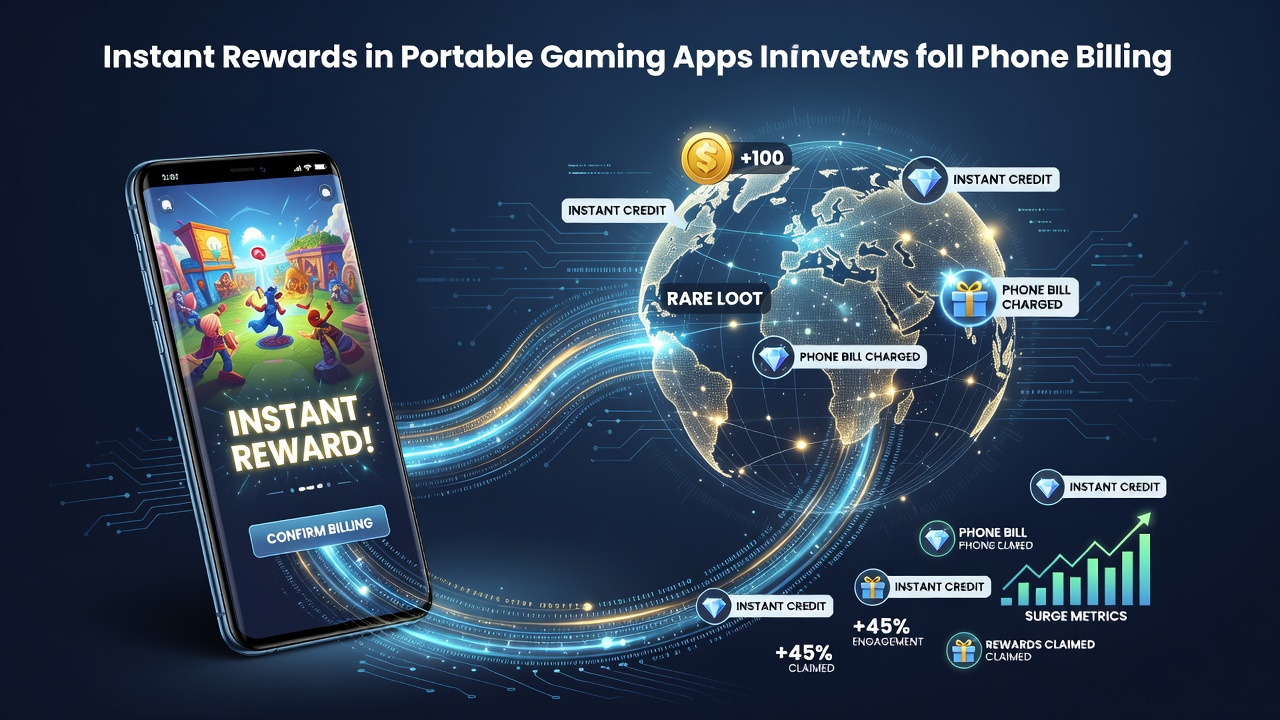
Portable gaming applications continue to integrate carrier billing systems that deliver instant rewards directly to user accounts, and this integration has accelerated as developers seek frictionless payment pathways for players who prefer to avoid traditional card entry or digital wallet setup. Data from industry tracking services shows carrier billing now accounts for a growing share of microtransaction volume in casual and mid-core titles alike, while players receive virtual currency, bonus spins, or exclusive items within seconds of confirming a charge through their mobile operator.
How Phone Billing Integrates with Reward Delivery
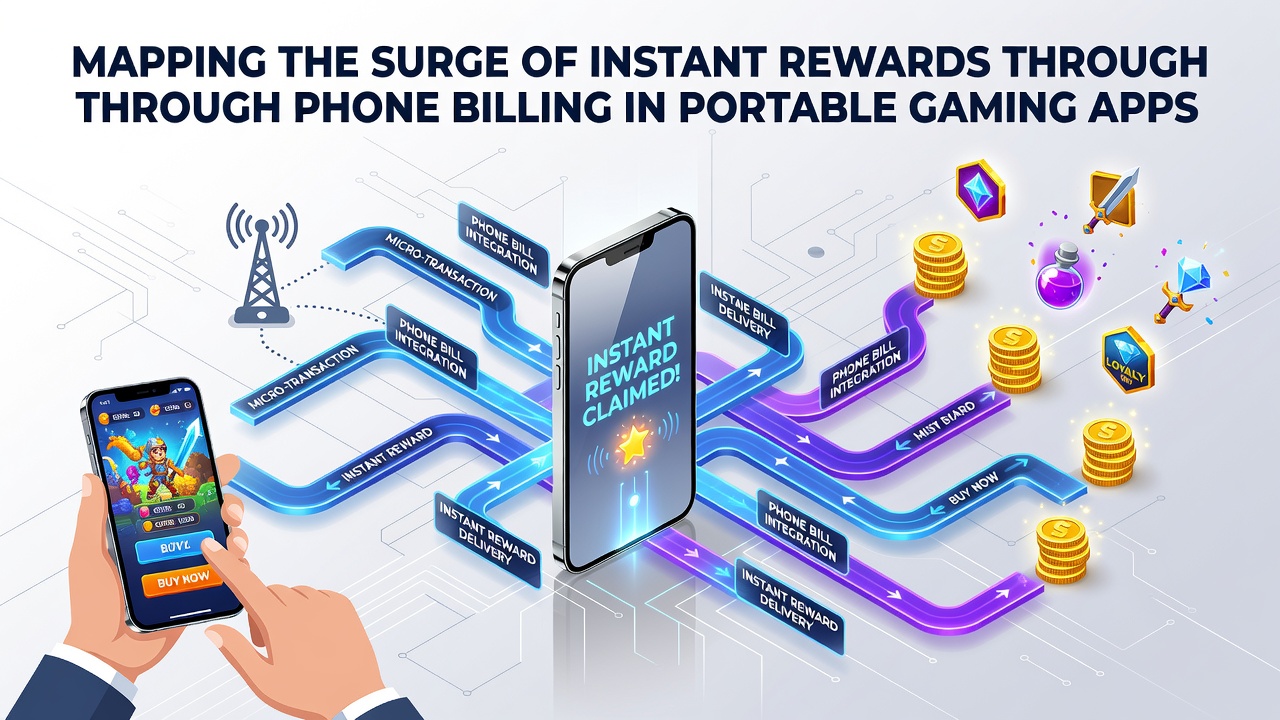
Developers embed carrier billing APIs into game stores so that a single tap authorizes a charge that appears on the monthly phone statement, and the corresponding reward unlocks immediately on the device without additional verification steps. This process bypasses lengthy checkout flows, which explains why conversion rates for limited-time offers often rise when carrier options appear alongside card payments. Observers note that games targeting younger audiences or regions with lower credit card penetration rely heavily on this method because it leverages existing mobile subscriptions that millions already maintain.
Payment flows typically route through aggregator platforms that connect game publishers to dozens of network operators worldwide, and these aggregators handle compliance checks plus revenue splits before funds reach the developer. The result is a streamlined experience where players see reward balances update in real time, while operators manage billing disputes and chargebacks through their customer service channels.
Regional Adoption Patterns and Usage Data
Markets in Southeast Asia and parts of Latin America have recorded the fastest uptake, according to figures released by the GSMA, because prepaid mobile plans dominate and users appreciate the ability to spend without linking bank details. In contrast, European and North American titles have adopted carrier billing more selectively, often limiting it to smaller transaction tiers to reduce risk of unauthorized charges. Research compiled by the Federal Communications Commission highlights that consumer complaints about unexpected mobile charges have declined in markets where operators introduced spending caps and confirmation prompts before rewards activate.
One study released by a Canadian research consortium tracked over 200 mobile titles across 2025 and found that games offering instant reward bundles via phone billing retained users for an average of 18 percent longer than those relying solely on card payments. The same analysis indicated that repeat purchase frequency increased when rewards appeared within the same session rather than after a delayed processing period.
Impact on Game Design and Player Engagement
Design teams now structure events and limited-time challenges around the expectation that many participants will complete purchases via carrier billing, and this influences everything from reward scaling to notification timing. Daily login bonuses have grown more generous in titles that support phone billing because developers can recoup costs faster and maintain higher engagement metrics. Players who complete a carrier transaction often receive bonus multipliers that encourage further activity within the same play session, creating a feedback loop that keeps session lengths elevated.
Case examples include puzzle and match-three franchises that introduced mid-level progression packs available only through carrier billing during June 2026 promotional windows, and telemetry from those campaigns revealed that over 40 percent of participants chose the phone option when presented. Similar patterns emerged in battle-pass style systems where instant tier unlocks via carrier payment produced measurable lifts in both revenue per user and social sharing activity.
Technical and Security Considerations
Security protocols require two-factor confirmation via SMS or app notification before charges post, and these layers have become standard across major operators to prevent fraud while preserving the speed that makes carrier billing attractive. Developers must still comply with varying age-verification rules by region, yet once verification clears, reward delivery remains near-instantaneous. Aggregators continue to refine fraud-detection algorithms that analyze usage patterns in real time, which helps maintain trust among both players and network partners.
Interoperability between different operating systems and billing platforms has improved, allowing the same game build to present carrier options consistently whether the device runs iOS or Android. This consistency reduces development overhead and lets smaller studios compete with larger publishers that previously dominated premium reward ecosystems.
Conclusion
The mapping of instant rewards through phone billing in portable gaming apps reveals a payment channel that aligns developer economics with player convenience across diverse markets. As adoption widens, the technical infrastructure supporting these transactions continues to mature, while data from multiple regulatory and industry sources documents steady growth in both transaction volume and user retention metrics. Observers expect further refinements in confirmation flows and reward personalization to sustain momentum into subsequent years.