Algorithmic Personalization Reshapes Reward Timing Across Digital Slot Platforms
Harper Otto · Aug 10, 2026
Algorithmic Personalization Reshapes Reward Timing Across Digital Slot Platforms
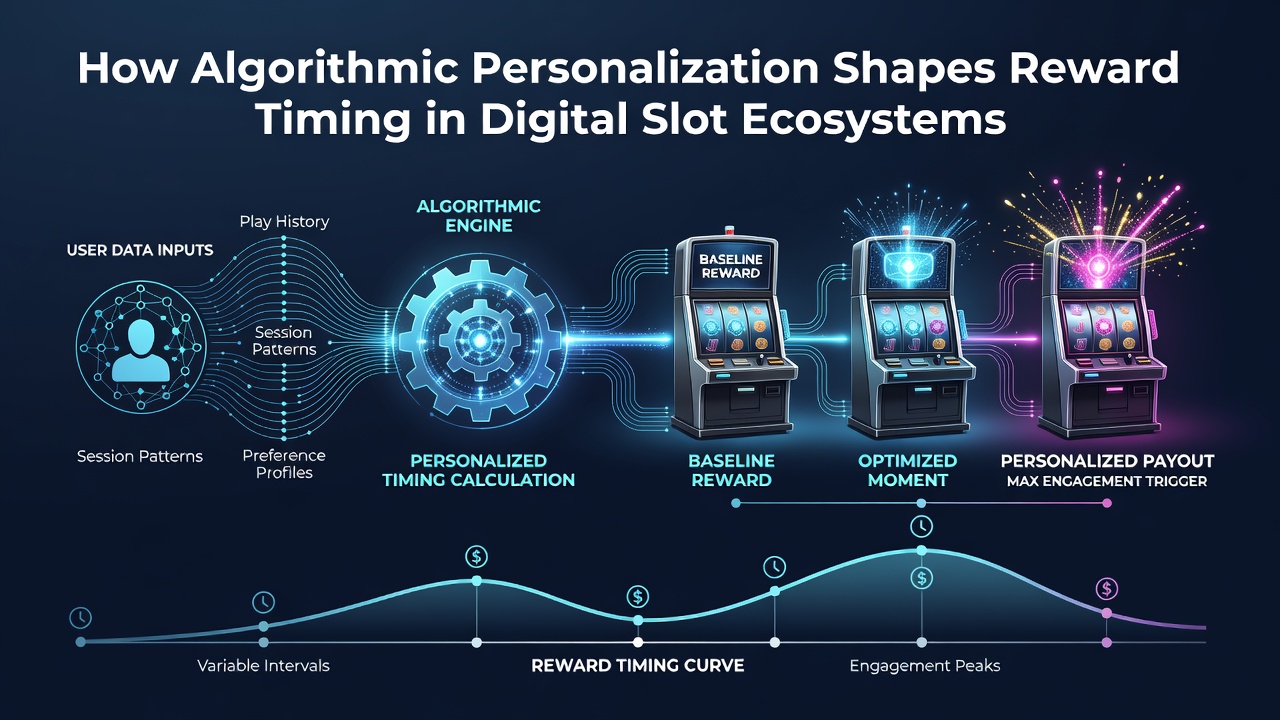
Digital slot ecosystems rely on algorithmic personalization to adjust reward timing based on individual player patterns, and this process draws from extensive data collection on betting frequency, session length, and previous outcomes. Operators implement machine learning models that analyze these inputs in real time, allowing reward intervals to shift dynamically rather than follow fixed schedules. Data from industry reports indicates that such adjustments occur through continuous feedback loops where algorithms predict optimal moments for bonus triggers or free spin allocations.
Data Inputs Driving Personalization Models
Player behavior logs form the foundation of these systems, with algorithms processing variables such as wager size, game selection sequences, and time spent between spins. Researchers at institutions like the University of Nevada have documented how these datasets enable segmentation of users into cohorts that receive tailored reward pacing, and this segmentation relies on statistical clustering techniques applied across millions of sessions. External factors including device type and geographic location further refine the models, while payment method history contributes additional layers to the prediction engine.
Studies from the Responsible Gambling Council show that personalization algorithms incorporate historical win rates to modulate reward frequency, and this modulation aims to sustain engagement without exceeding predefined risk thresholds set by operators. The process involves iterative updates where new session data retrains the model overnight, ensuring reward timing evolves alongside changing player habits.
Mechanics of Reward Interval Adjustment
Algorithms determine reward timing through probabilistic frameworks that balance random number generation with personalized modifiers, and these modifiers scale based on observed retention metrics. For instance, a player exhibiting high session continuity might encounter slightly compressed intervals between bonus features, whereas sporadic participants receive extended gaps calibrated to their activity rhythm. Technical documentation from gaming software providers reveals that these adjustments integrate with the core random number generator without altering its fundamental fairness parameters.
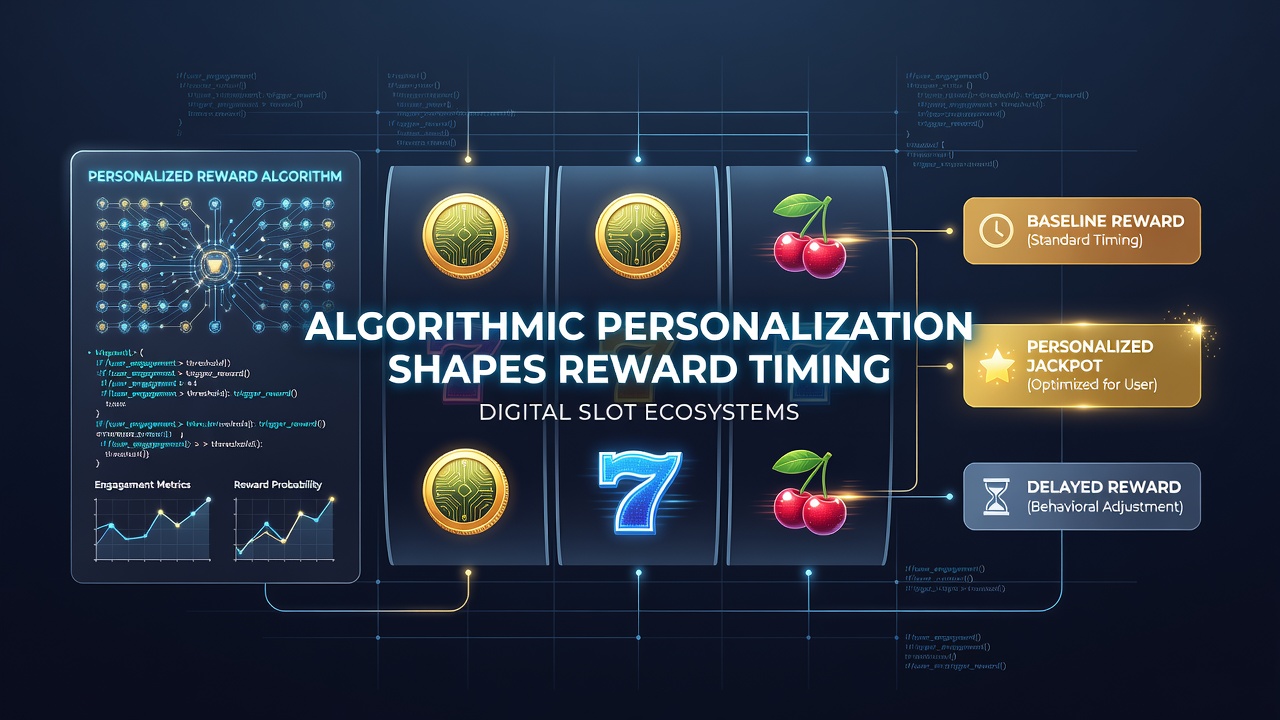
Implementation often occurs via server-side processing that evaluates each spin against the player's profile in milliseconds, and this speed allows seamless delivery of customized experiences across mobile and desktop environments. In August 2026, several platforms expanded their use of edge computing to reduce latency in these evaluations, which in turn permitted more granular control over reward pacing during live sessions.
Observed Patterns in Player Sessions
Analytics firms tracking digital slot activity report that personalized reward timing correlates with measurable shifts in average session duration, and these shifts appear across diverse demographic groups. One case study involving a North American operator demonstrated how cohort-specific timing led to differentiated patterns in bonus redemption rates, while another analysis from Australian regulatory filings highlighted similar adaptations in jackpot trigger frequencies. The underlying mechanism maintains overall return-to-player percentages even as individual reward distributions vary.
Observers note that such systems also factor in external signals like time of day or concurrent promotions, and this integration creates layered timing strategies that respond to both personal history and broader market conditions. Evidence from platform audits confirms that these combined inputs produce reward schedules distinct from non-personalized baselines.
Technical Infrastructure Supporting the Process
Cloud-based architectures host the machine learning pipelines responsible for reward timing personalization, and these pipelines draw on distributed databases that store anonymized behavioral aggregates. Integration with third-party data providers supplies supplementary context such as market volatility indices, while internal telemetry tracks model performance against engagement benchmarks. Updates to the algorithms occur through A/B testing frameworks that compare variant timing strategies across controlled user groups before full deployment.
Security protocols encrypt the data flows between client devices and central servers, ensuring that personalization decisions remain isolated from unauthorized access. Industry standards developed by organizations including the European Gaming and Betting Association emphasize transparency in how timing algorithms operate, although specific implementation details vary by jurisdiction.
Conclusion
Algorithmic personalization continues to influence reward timing in digital slot ecosystems through data-driven adjustments that respond to individual patterns and session metrics. Platforms operating in 2026 demonstrate expanded reliance on these methods, supported by advances in processing speed and model refinement. Regulatory bodies in multiple regions monitor these developments to verify compliance with established fairness and reporting requirements, while ongoing research from academic and industry sources tracks the resulting session dynamics across global markets.